
Matcha in Chiswick: what ceremonial grade actually means
Not all green powder is equal. What ceremonial grade means, why water temperature matters, and the four matcha drinks we're making on Chiswick High Road.
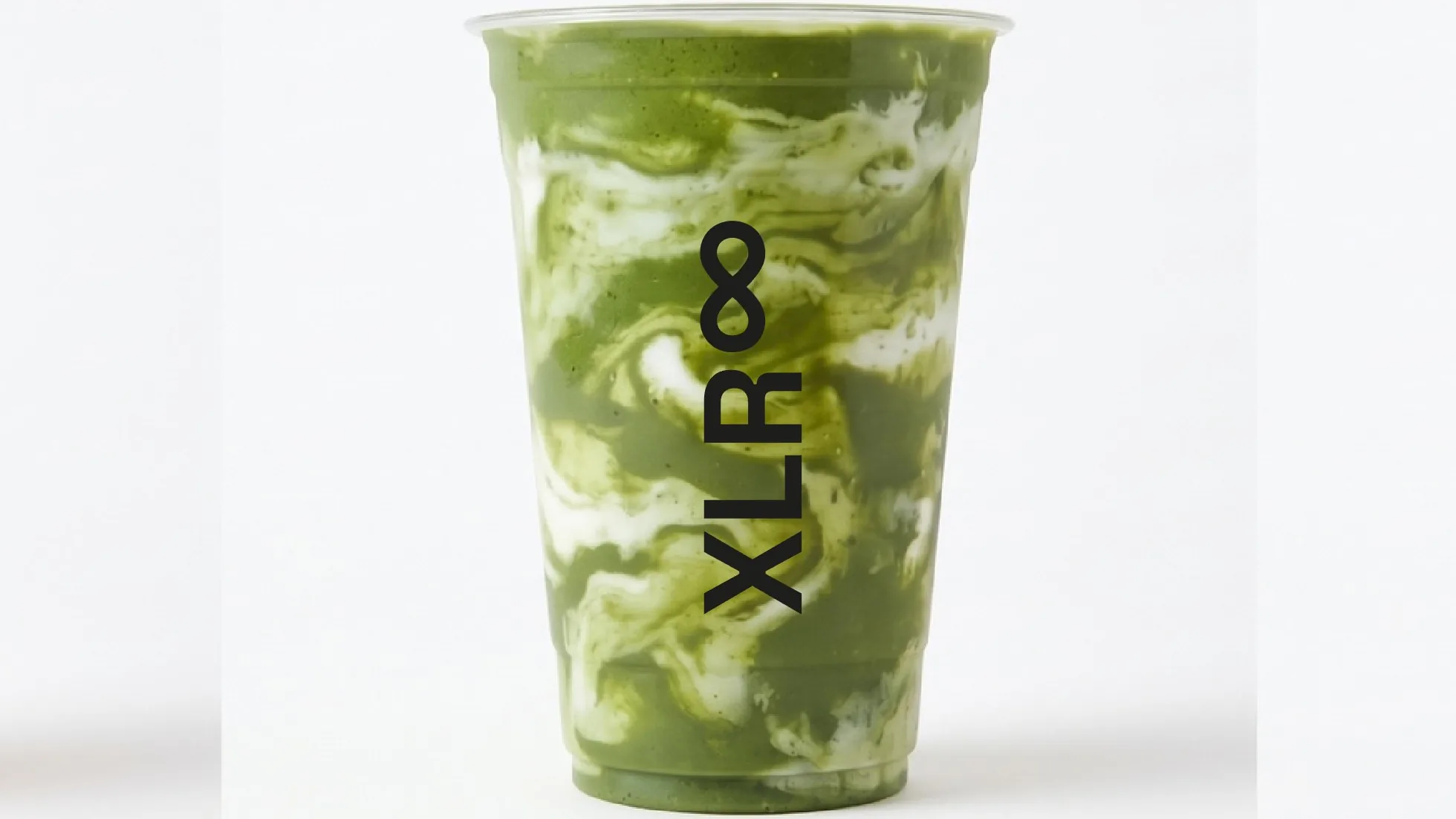
Matcha is everywhere now, from supermarket shelves to every second café menu. Quality varies enormously. Here is what to look for, how we make ours, and the four matcha drinks we will be serving on Chiswick High Road.
What matcha is
Matcha is green tea, but not as you know it. The tea plants are shaded for several weeks before harvest, which deepens the colour and softens the flavour. The leaves are steamed, dried, stripped of stems and veins, then stone-ground into a fine powder. Instead of steeping leaves and throwing them away, you whisk the powder into water and drink the whole leaf.
Ceremonial vs culinary grade
"Ceremonial grade" is not a regulated term, so it pays to know what it is supposed to mean. In general it describes matcha made from the youngest leaves of the first harvest, ground fine and meant to be drunk with nothing but water. Culinary grade comes from later harvests. It is more astringent and better suited to baking or heavily sweetened lattes.
You can usually tell the difference at a glance:
- Colour. Good matcha is a vivid, almost electric green. Dull olive or yellowish powder is older or lower grade.
- Texture. It should feel as fine as talc between your fingers.
- Smell and taste. Sweet, grassy and rounded, with a gentle bitterness rather than a harsh one.
We use ceremonial grade matcha across the whole menu, including the drinks with milk. If it is good enough to drink on its own, it will still taste of matcha under oat milk.
How we make it
Every matcha starts the same way. We sift 2g of powder to break up clumps, then whisk it into 60ml of water at 75 to 80°C with a fast W-shaped motion for 15 to 20 seconds, until there is a fine foam. Boiling water scorches matcha and turns it bitter, which is behind most bad matcha experiences.
Matcha contains caffeine, generally less per cup than a double espresso, along with L-theanine, an amino acid naturally found in tea.
Four ways to drink it
- Iced Matcha. The purist. Ceremonial matcha poured over cold oat milk and ice, unsweetened unless you ask. The one that proves the matcha is the real thing.
- Matcha Cloud. Matcha blended with lion's mane, banana, coconut milk and coconut yoghurt into a soft, thick cloud.
- Salted Matcha Caramel. Matcha with a streak of house date caramel and a flake of Maldon salt. Sweet-salty and dessert-like, with no refined sugar.
- Matcha Protein. Where the matcha bar meets the protein bar: ceremonial matcha, vanilla whey and a little avocado for a silky texture, with around 30g of protein.
Prefer coffee? Read about our speciality coffee bar and the Proffee.
Find us
XLR8 is opening soon at 382 Chiswick High Road, London W4 5TF. Join the list to hear first when we open.
Fresh, every time. Opening soon in Chiswick.
Protein shakes, ceremonial matcha and speciality coffee, made at the counter. Join the list to hear first when we open.
Join the listBack to all posts